
Gathering the Shoes
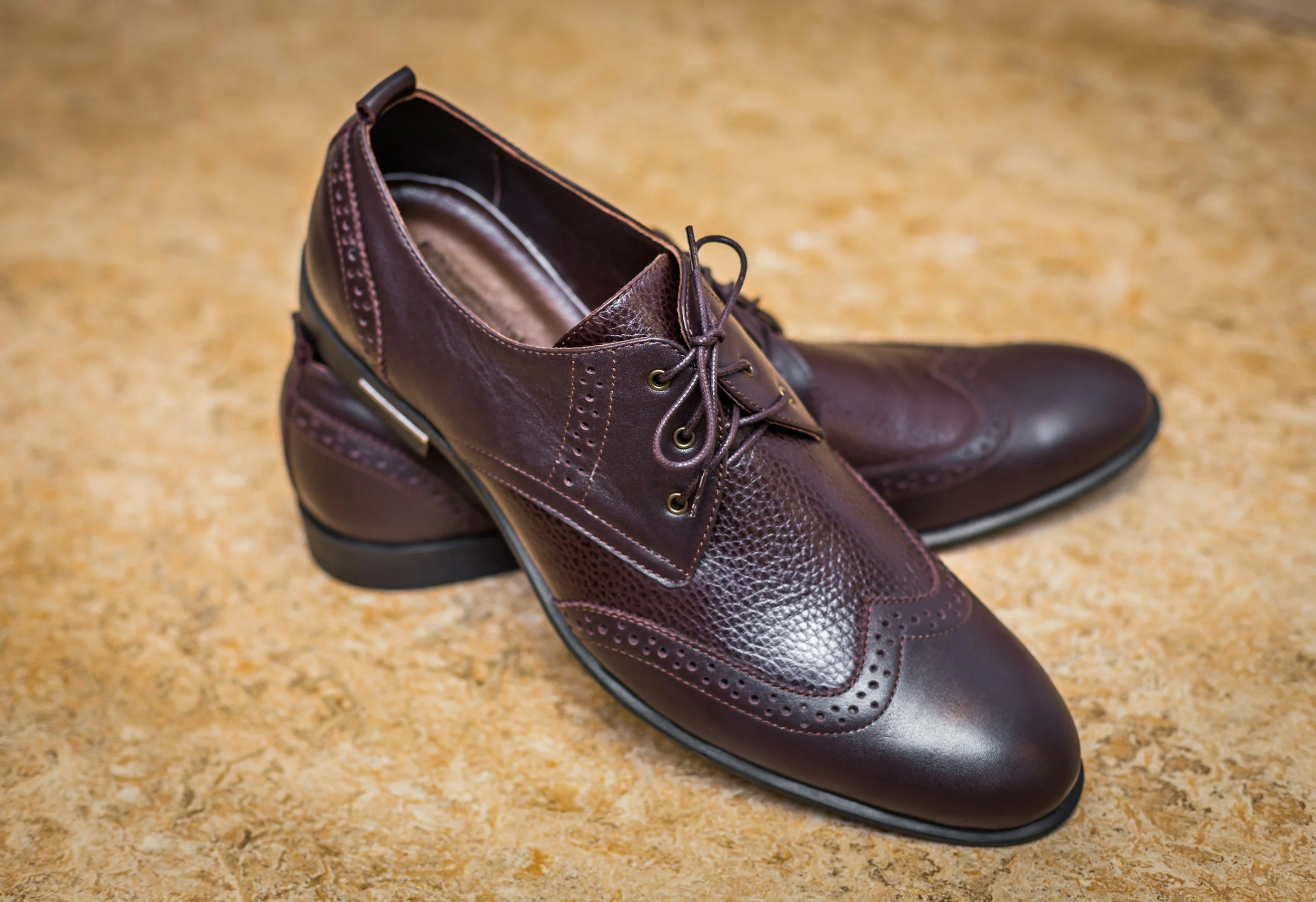
The Shoes She Chose
Every evening seemed to have its own rhythm.
In our home, many of those evenings ended with the gathering of the shoes. Before the next day began, they were carried to a small space just beyond the kitchen and dining room. An oilcloth protected the floor. A tin of polish was opened, brushes and soft cloths were laid within easy reach, and off to one side rested my father's John Rolfe pipe tobacco. The familiar scent lingered quietly in the room, becoming part of a routine I can still remember. Nothing about those evenings felt hurried. No one announced that it was time to polish shoes. We simply knew this was work worth doing well.
As a child, I thought I was watching someone clean leather. Looking back, I realize I was watching someone care for what had been entrusted to him. My father worked patiently. Each pair was examined before the polish was applied. The leather was brushed, the finish restored, and every shoe prepared for another day of faithful service. It wasn't about making them look new. It was about honoring something that had been made well and treating it with respect. Years later, I recognized that my mother approached the task with the same quiet care. Whether my father or my mother sat on that oilcloth, the atmosphere never really changed. The work was thoughtful, unhurried, and done with intention.
Those shoes carried far more than polished leather. They carried my parents to work each morning, to church on Sundays, to family gatherings, and through the ordinary responsibilities that shaped our lives. Caring for them became a quiet way of caring for the people who depended on them. It wasn't until much later that I realized how much children learn by watching. We don't always remember every conversation we hear, but we often remember what the adults around us consistently give their time and attention to. Looking back, I learned as much from those evenings as I ever could have from someone explaining why they mattered. That lesson followed me into adulthood.
My first husband gathered our shoes with the same sense of purpose I had watched growing up. He enjoyed talking about quality—the way a shoe was constructed, the stitching that held it together, the leather it was made from, and the craftsmanship behind every detail. He noticed things many people overlooked, and in doing so, reminded me that well-made things deserve thoughtful care.
Perhaps that appreciation is one of the quiet gifts passed from one generation to the next. Not through formal instruction, but through ordinary moments repeated often enough to become part of a family's character. Across cultures, acts of care often reveal what people value most. A carefully maintained tool, a well-tended garden, a restored piece of furniture, or a polished pair of shoes all tell a similar story. They remind us that stewardship is less about possession than about responsibility.
Craftsmanship understands this instinctively. Quality reveals itself over time. Leather softens with use, develops character through wear, and responds to patient care. A well-made shoe is not created simply to be admired. It is made to serve faithfully through countless ordinary days. Perhaps that is why shoes make such a fitting symbol of character.
They remain close to the ground, quietly carrying us through seasons of work, celebration, disappointment, and hope. They are seldom noticed when everything is going well, yet we quickly appreciate their value when they are absent. Even now, I cannot polish a pair of shoes without thinking about those evenings. The oilcloth has long since been folded away. The familiar tin of polish is gone. So is the gentle scent of my father's pipe tobacco drifting through the room.
Yet the lesson remains.
Some things deserve our care not because they demand it, but because they have been entrusted to us. Looking back, I realize those evenings were never really about shoes at all. They were about learning that character is quietly formed through the habits we practice when no one is watching, and that the simplest acts of stewardship often leave the deepest impressions.